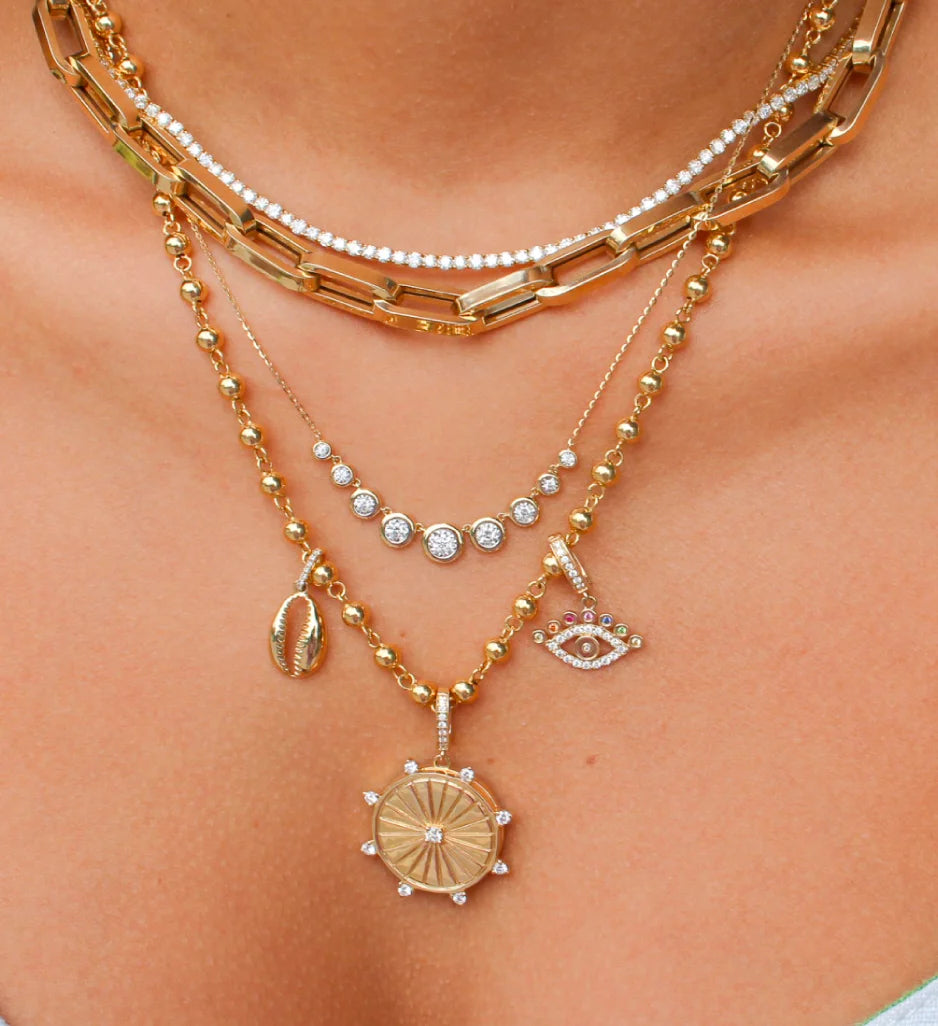


The July birthstone is one of the most admired and valuable gemstones in the world. Known for its rich red color and remarkable durability, the ruby has symbolized love, passion, courage, and prosperity for centuries. From ancient kings and warriors to modern jewelry lovers, this gemstone has remained a timeless favorite.
Whether you're celebrating a July birthday, shopping for a meaningful gift, or simply curious about gemstones, understanding the history, quality, symbolism, and care of rubies can help you appreciate why they continue to be one of the most sought-after gems.
In this complete guide, you'll learn everything about the July gemstone, including its history, meaning, colors, value, durability, care, buying tips, and much more.

What Is the July Gemstone?
The official birthstone for July is the ruby.
Ruby belongs to the mineral family corundum, the same family as sapphires. The difference lies in the color. Red corundum is called ruby, while all other colors are classified as sapphires.
The ruby gets its beautiful red color from the presence of chromium within the crystal. Depending on the amount of chromium and the location where the stone formed, rubies can range from pinkish red to deep crimson.
For centuries, ruby has been considered one of the four precious gemstones, alongside:
-
Diamond
-
Emerald
-
Sapphire
-
Ruby
Its rarity and stunning appearance make it one of the world's most valuable gemstones.
Why Is Ruby the Birthstone for July?
Birthstones have been associated with each month for hundreds of years. The tradition evolved from ancient beliefs that gemstones held special powers and offered protection to those born during specific months.
Ruby became the official birthstone for July because it represents qualities often associated with midsummer, including:
-
Passion
-
Energy
-
Love
-
Confidence
-
Strength
-
Success
Its fiery red color also reflects the warmth and vibrancy of July.
Today, ruby jewelry is a popular birthday gift for anyone born in July.
History of Ruby
Rubies have fascinated civilizations for thousands of years.
Ancient cultures believed the gemstone contained the power of life itself because of its intense red color.
Ancient India
In India, rubies were known as the "King of Precious Stones." People believed wearing a ruby brought peace, prosperity, and protection from danger.
Some even thought offering rubies to the gods would ensure a favorable rebirth.
Ancient Burma
Burma, now known as Myanmar, has long been one of the world's most famous ruby-producing regions. Ancient Burmese warriors believed rubies made them invincible in battle.
According to historical stories, some soldiers even inserted rubies beneath their skin, believing the gemstones would protect them from injury.
Medieval Europe
During the Middle Ages, European royalty valued rubies as symbols of wealth and authority.
Kings and queens often decorated crowns, swords, and ceremonial jewelry with rubies because they believed the stones brought wisdom and success.
Modern Times
Today, ruby remains one of the most valuable colored gemstones and is widely used in luxury jewelry worldwide.
What Does the July Gemstone Symbolize?
Ruby has many symbolic meanings across different cultures.
It commonly represents:
Love
Ruby has long been associated with romance and deep emotional connections.
Its bright red color naturally symbolizes the heart and passionate love.
Courage
Ancient warriors carried rubies because they believed the gemstone provided bravery during battle.
Even today, ruby is considered a symbol of confidence and determination.
Protection
Many cultures believed ruby protected the wearer from danger, illness, and bad luck.
Although these beliefs are symbolic today, many people still wear ruby jewelry as a personal talisman.
Success
Ruby is often linked with ambition, leadership, and prosperity.
Many believe it encourages motivation and helps people pursue their goals with confidence.
What Color Is the July Gemstone?
Although many people simply describe ruby as red, it actually comes in several shades.
These include:
-
Bright red
-
Deep crimson
-
Purplish red
-
Pinkish red
-
Dark red
The most valuable rubies display a rich, vibrant red with a slight hint of blue.
This famous color is often called "Pigeon's Blood Red."
It is considered the highest-quality ruby color and is especially associated with rubies from Myanmar.
Where Are Rubies Found?
Rubies are mined in several countries around the world. Each location produces stones with unique characteristics.
Myanmar
Myanmar has produced some of the world's finest rubies for centuries. Many of the most valuable rubies originate from the Mogok Valley. These stones are famous for their exceptional color and clarity.
Mozambique
Mozambique has become one of the largest ruby producers in recent years. Many stones from this region display excellent color and size while offering good value.
Thailand
Thailand is known for producing darker rubies with brownish or burgundy tones. The country is also an important center for gemstone cutting and trading.
Sri Lanka
Sri Lankan rubies often have lighter pinkish-red shades. Many are exceptionally clear and attractive.
Madagascar
Madagascar has become another important source of high-quality rubies. The island produces stones in various shades of red.
Vietnam
Vietnam also produces beautiful rubies, including stones with vivid colors that resemble Burmese rubies.
Ruby Hardness and Durability
One reason ruby is so popular in jewelry is its excellent durability.
On the Mohs Hardness Scale, ruby scores:
9 out of 10
Only diamond ranks higher.
This makes ruby highly resistant to scratches, making it suitable for:
-
Rings
-
Earrings
-
Necklaces
-
Bracelets
-
Everyday jewelry
Although durable, rubies can still chip if struck with enough force.
Natural vs Lab-Grown Rubies
Today's buyers can choose between natural and laboratory-grown rubies.
Natural Ruby
Natural rubies form deep inside the Earth over millions of years. Each stone contains natural inclusions created during its formation.
Natural rubies are generally rarer and more valuable.
Lab-Grown Ruby
Lab-created rubies have the same chemical composition as natural rubies but are produced in controlled laboratory conditions.
Advantages include:
-
Lower cost
-
Excellent clarity
-
More consistent color
-
Environmentally friendly production
Many people choose lab-grown rubies because they offer the appearance of natural stones at a more affordable price.
Are Treated Rubies Common?
Yes. Most rubies sold today receive some form of treatment to improve their appearance.
The most common treatment is heat treatment.
Heating can:
-
Improve color
-
Increase clarity
-
Enhance overall appearance
Heat treatment is widely accepted within the jewelry industry.
However, untreated rubies are much rarer and generally command much higher prices.
How Ruby Quality Is Graded
Like many gemstones, ruby quality depends on several important factors.
Color
Color is the most important quality factor.
Experts look for:
-
Rich saturation
-
Even color distribution
-
Strong brightness
Clarity
Nearly all natural rubies contain inclusions. Small inclusions are expected and help confirm the stone is natural.
Too many inclusions may reduce value.
Cut
A well-cut ruby reflects light evenly and displays its color beautifully.
Popular cuts include:
-
Oval
-
Cushion
-
Round
-
Emerald
-
Pear
-
Heart
Carat Weight
Larger rubies are extremely rare.
As size increases, prices rise significantly, especially for stones with excellent color and clarity.
Why Are Rubies So Expensive?
Several factors contribute to the high value of rubies.
These include:
-
Limited supply
-
Strong global demand
-
Excellent durability
-
Rich color
-
Historical importance
-
Rarity of untreated stones
High-quality natural rubies can sometimes sell for more per carat than diamonds.

Ruby in Jewelry
Ruby is one of the most popular gemstones used in fine jewelry. Its rich red color, durability, and timeless appeal make it suitable for almost every type of jewelry. Since ruby ranks 9 on the Mohs Hardness Scale, it is durable enough for everyday wear when properly cared for.
Some of the most popular ruby jewelry includes:
Ruby Rings
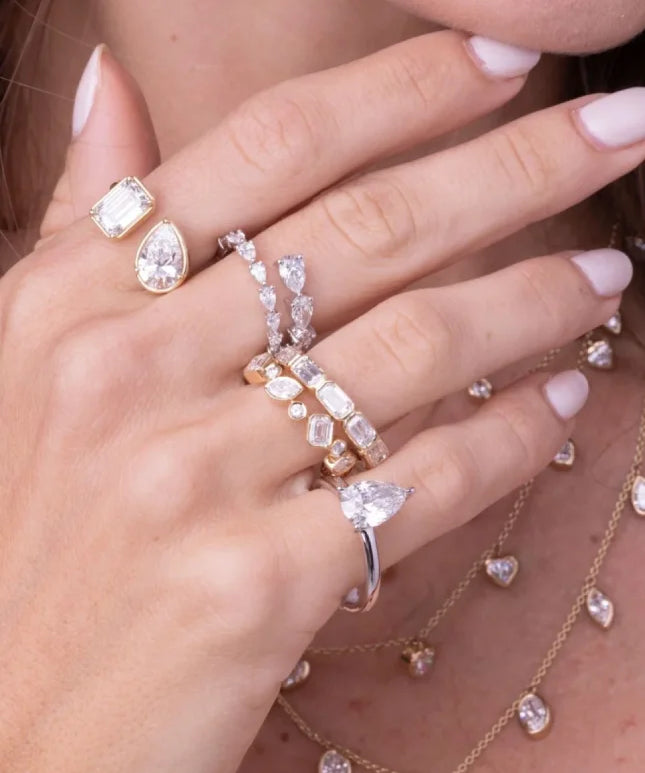
Ruby rings are a favorite for birthdays, anniversaries, and even engagement rings. Their vibrant color makes them stand out, and they pair beautifully with diamonds and other gemstones.
Ruby Necklaces
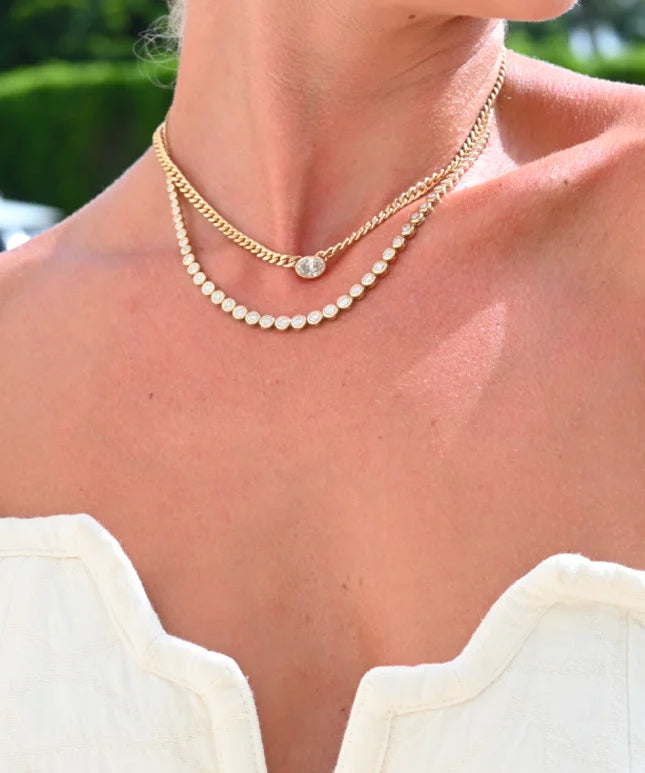
A ruby pendant or necklace adds a bold touch of color to any outfit. Many people choose a simple solitaire ruby necklace for everyday wear, while others prefer elaborate designs for special occasions.
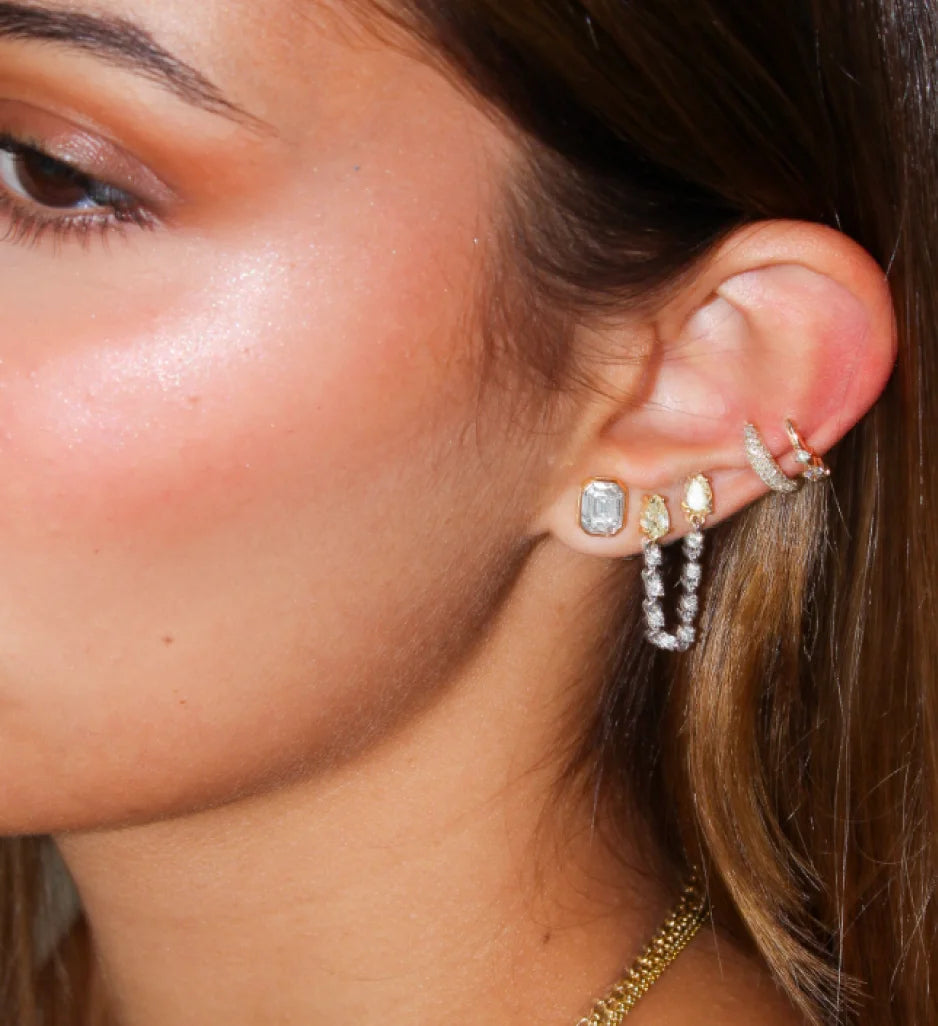
Ruby Earrings
Ruby earrings are available in many styles, including:
-
Stud earrings
-
Drop earrings
-
Hoop earrings
-
Halo designs
Because rubies are durable, they can withstand regular use while maintaining their beauty.
Ruby Bracelets
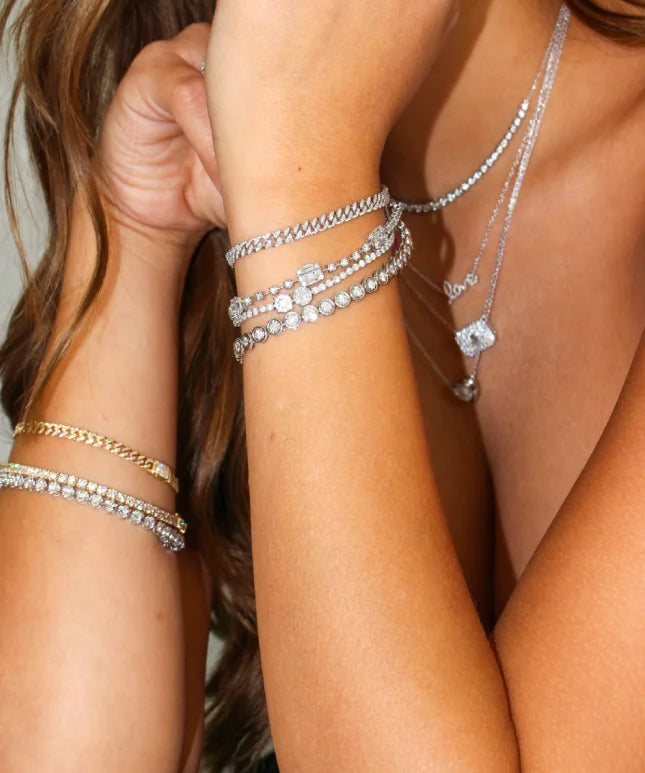
Ruby bracelets range from delicate chain bracelets with a single gemstone to luxurious tennis bracelets featuring multiple rubies.
Ruby Wedding Jewelry
Many couples choose ruby jewelry to celebrate important milestones, especially the 15th and 40th wedding anniversaries.
What Metals Look Best with Ruby?
Ruby pairs well with several precious metals, each creating a different look.
Yellow Gold
Yellow gold enhances the warm tones of ruby and creates a classic, traditional appearance.
White Gold
White gold offers a modern look and creates a beautiful contrast with the rich red gemstone.
Rose Gold
Rose gold complements ruby exceptionally well because both feature warm, romantic tones.
Platinum
Platinum is highly durable and gives ruby jewelry an elegant and luxurious finish.
Ruby as an Engagement Ring
Although diamonds remain the most popular engagement stone, many couples choose ruby for its symbolism and uniqueness.
A ruby engagement ring represents:
-
Love
-
Passion
-
Commitment
-
Courage
-
Devotion
Because ruby is highly durable, it is suitable for daily wear.
Many engagement rings feature a ruby center stone surrounded by diamonds for extra brilliance.
Ruby Anniversary Gifts
Ruby is closely associated with milestone wedding anniversaries.
15th Wedding Anniversary
Ruby is the traditional gemstone for the 15th anniversary, symbolizing enduring love and commitment.
40th Wedding Anniversary
The 40th anniversary is often called the Ruby Anniversary because the gemstone represents a strong and lasting marriage.
Popular gifts include:
-
Ruby rings
-
Ruby necklaces
-
Ruby earrings
-
Ruby bracelets
-
Personalized ruby jewelry
Famous Rubies Around the World
Some rubies have become world-famous because of their size, quality, or historical significance.
Sunrise Ruby
The Sunrise Ruby is one of the most valuable rubies ever sold. It is known for its exceptional "Pigeon's Blood" color and remarkable clarity.
Liberty Bell Ruby
The Liberty Bell Ruby is one of the largest carved rubies in the world. It was sculpted into the shape of the Liberty Bell and became well known before being stolen in 2011.
Rosser Reeves Star Ruby
This famous gemstone displays a rare optical effect called asterism, creating a six-rayed star across its surface.
It is displayed at the Smithsonian National Museum of Natural History.
Star Rubies
Not all rubies look the same. Some rare rubies display a glowing star when viewed under direct light.
This effect is called asterism. The star appears because tiny needle-like inclusions inside the gemstone reflect light in a unique pattern.
High-quality star rubies are highly collectible and often used in unique jewelry pieces.
Ruby Around the World
Many cultures have valued ruby for thousands of years.
India
Rubies have long been associated with royalty and prosperity.
Ancient Indian texts describe ruby as the "King of Gems."
China
Chinese nobles treasured rubies as symbols of wealth, happiness, and success.
Europe
European kings and queens decorated crowns, swords, and royal jewelry with rubies.
They believed the gemstone offered protection and victory.
Middle East
Rubies were prized for their beauty and were often included in royal treasures and ceremonial jewelry.
How to Choose a Quality Ruby
Buying a ruby can be exciting, but knowing what to look for helps you make a better decision.
1. Look at the Color
Color is the most important factor.
The finest rubies display:
-
Rich red color
-
Strong saturation
-
Even color throughout the stone
Avoid stones that appear too dark or too pale unless that is your personal preference.
2. Examine Clarity
Natural rubies almost always contain inclusions. Small inclusions are normal and expected.
Avoid stones with cracks or inclusions that affect durability or beauty.
3. Check the Cut
A well-cut ruby should:
-
Reflect light evenly
-
Show consistent color
-
Have balanced proportions
Popular cuts include:
-
Oval
-
Cushion
-
Round
-
Pear
-
Emerald
-
Heart
4. Consider Carat Weight
Large natural rubies are much rarer than small ones. As the size increases, the price rises significantly, especially if the stone has excellent color and clarity.
5. Ask About Treatments
Most rubies on the market have been heat treated. This is considered standard in the jewelry industry.
If purchasing a high-value ruby, ask whether the gemstone has been treated and request certification whenever possible.
How to Tell if a Ruby Is Real
It can be difficult to identify a genuine ruby without professional equipment, but there are some signs to look for.
Natural rubies often have:
-
Tiny inclusions
-
Slight color variations
-
Strong brilliance
-
High hardness
Imitation stones made from glass or synthetic materials may show bubbles, scratches, or uneven coloring.
If you're purchasing an expensive ruby, request a grading report from a recognized gemological laboratory.
How to Care for Ruby Jewelry
Although rubies are durable, proper care helps preserve their beauty.
Clean Regularly
Wash ruby jewelry using:
-
Warm water
-
Mild soap
-
A soft brush
Rinse thoroughly and dry with a soft cloth.
Store Properly
Store ruby jewelry separately from other gemstones to prevent scratches.
Use:
-
A soft jewelry pouch
-
A fabric-lined jewelry box
Avoid Harsh Chemicals
Remove ruby jewelry before using:
-
Household cleaners
-
Bleach
-
Chlorine
-
Strong chemicals
These substances can damage the metal setting.
Remove During Heavy Activities
Take off ruby rings before:
-
Gardening
-
Heavy lifting
-
Sports
-
Home repairs
Although ruby is hard, a strong impact can still chip the stone.
Can Rubies Fade Over Time?
Natural rubies have excellent color stability.
Their vibrant red color does not normally fade with regular wear.
However, prolonged exposure to harsh chemicals or extreme heat may affect treated stones or damage the jewelry setting.
Are Rubies Rare?
Yes. Fine-quality natural rubies are among the rarest gemstones in the world. Large rubies with excellent color, clarity, and minimal treatment are especially difficult to find.
This rarity is one of the reasons why premium rubies often sell for exceptionally high prices.
Are Rubies a Good Investment?
High-quality natural rubies have remained valuable for many years.
Investment-grade rubies typically have:
-
Excellent color
-
High clarity
-
Large size
-
Minimal or no treatment
-
Certification from a respected gemological laboratory
While some rare rubies appreciate in value over time, gemstone prices can fluctuate. Jewelry should generally be purchased for enjoyment rather than with the expectation of guaranteed financial returns.
Ethical and Sustainable Ruby Mining
Many buyers today are interested in responsibly sourced gemstones.
Some jewelers offer:
-
Traceable rubies
-
Ethically mined gemstones
-
Fair labor practices
-
Environmentally responsible mining
Lab-grown rubies are another option for people looking for a more sustainable alternative while enjoying the same chemical composition and appearance as natural rubies.
Fun Facts About the July Gemstone
-
Ruby is one of the four traditional precious gemstones.
-
It ranks 9 out of 10 on the Mohs Hardness Scale.
-
The name "ruby" comes from the Latin word ruber, meaning red.
-
The finest rubies are often described as having a Pigeon's Blood color.
-
Ruby and sapphire are both varieties of the mineral corundum.
-
Chromium gives ruby its signature red color.
-
Ancient cultures believed rubies could protect warriors in battle.
-
High-quality rubies can be more valuable per carat than diamonds.
-
Star rubies display a unique six-rayed star under light.
-
Ruby is the official birthstone for July and the traditional gemstone for the 15th and 40th wedding anniversaries.
Ruby vs Other Popular Gemstones
If you're choosing a gemstone, it's helpful to see how ruby compares with other popular options.
|
Gemstone |
Color |
Mohs Hardness |
Best Known For |
|
Ruby |
Red |
9 |
Passion, love, strength |
|
Diamond |
Colorless (and other colors) |
10 |
Maximum durability and brilliance |
|
Sapphire |
Blue (and many other colors) |
9 |
Wisdom and loyalty |
|
Emerald |
Green |
7.5–8 |
Beauty and elegance |
|
Amethyst |
Purple |
7 |
Affordability and rich color |
|
Aquamarine |
Light blue |
7.5–8 |
Calm and ocean-like appearance |
Ruby is one of the best choices for people who want a gemstone that combines beauty, durability, and rich symbolism.
How to Buy a Ruby
Buying a ruby is an investment, so it's important to know what to look for.
Buy from a Reputable Jeweler
Choose a trusted jeweler with positive reviews and transparent information about the gemstone's origin and any treatments.
Ask for Certification
For valuable rubies, request a grading report from a respected gemological laboratory. Certification helps verify the gemstone's identity and whether it has received treatments.
Understand Treatments
Most rubies are heat-treated to improve their appearance. This is a common and accepted practice. However, untreated rubies are much rarer and generally more expensive.
Compare Multiple Stones
View several rubies before making a decision. Comparing color, clarity, and cut can help you find the best value.
Set a Budget
Rubies are available at a wide range of prices. Determine your budget first, then focus on finding the best quality within that range.

Popular Ruby Jewelry Styles
Ruby works well in both classic and modern jewelry designs.
Some popular styles include:
Solitaire Ruby Jewelry
A single ruby is the main focus of the design, creating a timeless and elegant look.
Halo Designs
Small diamonds surround the ruby, making the center stone appear larger and more brilliant.
Three-Stone Jewelry
A ruby paired with two diamonds or other gemstones represents the past, present, and future.
Vintage-Inspired Designs
Detailed metalwork and antique-style settings highlight the rich beauty of the ruby.
Minimalist Jewelry
Simple ruby pendants, rings, or stud earrings are perfect for everyday wear.
Who Should Wear Ruby?
Although ruby is the birthstone for July, anyone can enjoy wearing this gemstone.
Many people choose ruby because they appreciate its:
-
Rich red color
-
Timeless appeal
-
Durability
-
Symbolic meaning
-
Luxurious appearance
Ruby jewelry makes an excellent gift for:
-
Birthdays
-
Anniversaries
-
Graduations
-
Valentine's Day
-
Mother's Day
-
Weddings
-
Holiday celebrations
Can Ruby Be Worn Every Day?
Yes. Ruby is one of the best gemstones for everyday wear because it is highly resistant to scratches.
However, it's still a good idea to:
-
Remove ruby jewelry before heavy physical work.
-
Store it separately from other jewelry.
-
Have the setting checked by a jeweler every year.
Proper care helps keep your jewelry looking beautiful for generations.
Does Ruby Have Healing Properties?
Throughout history, many cultures believed ruby possessed healing and protective qualities. It was often associated with energy, vitality, confidence, and emotional strength.
Some people today continue to wear ruby for its symbolic or spiritual significance. However, there is no scientific evidence that rubies can heal medical conditions or provide physical health benefits.
Ruby should be appreciated for its beauty and cultural importance rather than as a medical treatment.

July Birthstone Gift Ideas
Ruby jewelry makes a thoughtful and meaningful gift for many occasions.
Popular gift ideas include:
-
Ruby birthstone rings
-
Ruby stud earrings
-
Ruby pendant necklaces
-
Ruby tennis bracelets
-
Ruby charm bracelets
-
Personalized birthstone jewelry
-
Ruby and diamond rings
-
Ruby cufflinks
-
Ruby heart-shaped pendants
-
Family birthstone necklaces featuring ruby
These gifts combine lasting beauty with personal significance.
FAQs About the July Gemstone
Is ruby the only birthstone for July?
Yes. Ruby is the official birthstone for July according to modern birthstone lists.
Why is ruby red?
Ruby gets its red color from the element chromium, which is present during the gemstone's formation.
Is ruby more valuable than diamond?
Some exceptional natural rubies with outstanding color and clarity can sell for more per carat than many diamonds because of their rarity.
What is the rarest ruby color?
The most valuable color is often called Pigeon's Blood Red, a vivid red with a slight blue undertone.
Can ruby be worn every day?
Yes. With a Mohs hardness of 9, ruby is durable enough for daily wear when properly cared for.
Do all rubies have inclusions?
Most natural rubies contain inclusions. Completely flawless natural rubies are extremely rare.
Are lab-grown rubies real rubies?
Yes. Lab-grown rubies have the same chemical composition and physical properties as natural rubies. The difference is that they are created in a laboratory rather than formed naturally over millions of years.
How should I clean ruby jewelry?
Use warm water, mild soap, and a soft brush. Rinse thoroughly and dry with a soft cloth.
Which countries produce the best rubies?
Myanmar, Mozambique, Sri Lanka, Madagascar, Vietnam, and Thailand are among the leading sources of high-quality rubies.
Can rubies scratch easily?
No. Ruby is one of the hardest gemstones, making it highly resistant to scratches. However, it can still chip if struck with a hard impact.
Conclusion
The July gemstone, ruby, has captivated people for thousands of years with its brilliant red color, remarkable durability, and rich symbolism. As one of the four precious gemstones, ruby represents love, passion, courage, and strength, making it a meaningful choice for both everyday jewelry and special occasions.
Its exceptional hardness makes it suitable for rings, necklaces, bracelets, and earrings that can be enjoyed for years with proper care. Whether you choose a natural ruby prized for its rarity or a lab-grown ruby for its affordability and sustainability, this gemstone offers timeless beauty and lasting value.
From ancient royalty to modern jewelry collections, the ruby continues to hold a special place in the world of gemstones. Whether you're celebrating a July birthday, marking a milestone anniversary, or simply looking for a striking piece of jewelry, a ruby is a classic choice that never goes out of style.