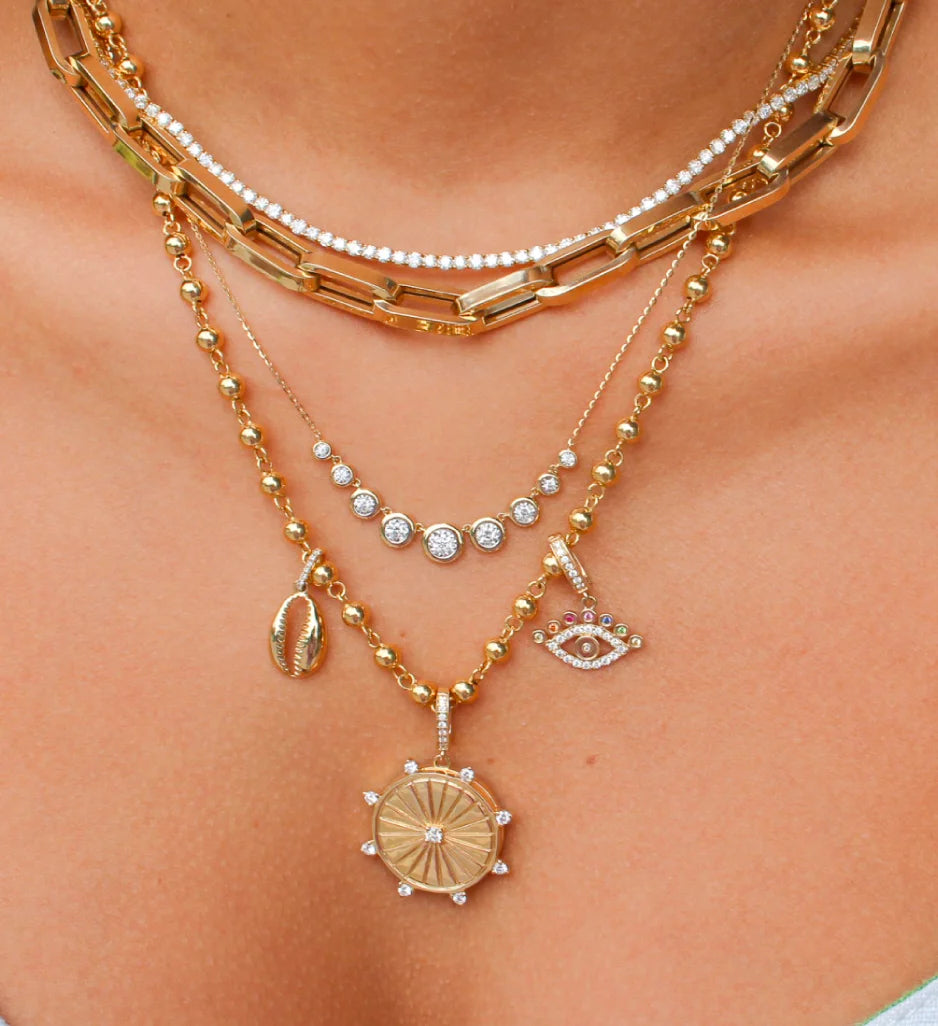


Gold jewelry has remained popular for centuries because of its beauty, durability, and value. Whether someone is shopping for an engagement ring, wedding band, bracelet, necklace, or earrings, gold is often one of the first choices people consider. However, many buyers become confused when they see terms like 14K gold and 18K gold.
At first glance, both types may look similar, but they are actually quite different in terms of purity, durability, color, price, and maintenance. Choosing the right option depends on personal style, budget, and lifestyle.
Some people prefer 14K gold because it is stronger and more practical for daily wear. Others choose 18K gold because it contains more pure gold and has a richer appearance. Neither option is automatically better than the other. The best choice depends on what matters most to the buyer.
This guide explains everything you need to know about 14K vs 18K gold in simple terms. By the end, you will understand the key differences and feel more confident when buying gold jewelry.
What Does Karat Mean in Gold?
Before comparing 14K and 18K gold, it is important to understand what the word “karat” means.
Karat measures the amount of pure gold in jewelry. Pure gold is considered 24 karats, also written as 24K. This means 24 out of 24 parts are gold.
However, pure gold is very soft. It bends and scratches easily, which makes it less practical for most jewelry. To make gold stronger, jewelers mix it with other metals like silver, copper, zinc, or nickel.
The lower the karat number, the less pure gold the jewelry contains.
What Is 14K Gold?
14K gold contains 58.3% pure gold and 41.7% other metals.
Because it has a larger amount of alloy metals mixed in, 14K gold is stronger and more durable than higher karat gold. It is one of the most popular choices for everyday jewelry, especially engagement rings and wedding bands.
14K gold offers a balance between beauty, strength, and affordability.
What Is 18K Gold?
18K gold contains 75% pure gold and 25% other metals.
Since it contains more pure gold, 18K gold has a richer and warmer appearance. It is often considered more luxurious and valuable than 14K gold.
However, because it has fewer alloy metals, it is softer and more likely to scratch over time.
18K gold is commonly used in luxury jewelry and high-end designer pieces.
14K Gold vs 18K Gold Comparison Table
|
Feature |
14K Gold |
18K Gold |
|
Gold Purity |
58.3% pure gold |
75% pure gold |
|
Alloy Metals |
41.7% mixed metals |
25% mixed metals |
|
Color |
Lighter yellow tone |
Richer and deeper yellow tone |
|
Durability |
More durable and scratch resistant |
Softer and scratches more easily |
|
Best For |
Everyday wear and active lifestyles |
Luxury jewelry and special occasions |
|
Price |
More affordable |
More expensive |
|
Appearance |
Subtle gold look |
Premium and luxurious look |
|
Weight |
Slightly lighter |
Slightly heavier |
|
Maintenance |
Lower maintenance |
Requires more care |
|
Skin Sensitivity |
May irritate sensitive skin in some cases |
Better for sensitive skin |
|
Engagement Rings |
Very popular because of strength |
Chosen for elegance and purity |
|
White Gold Option |
Brighter white appearance |
Slightly warmer white tone |
|
Rose Gold Option |
Stronger pink color |
Softer pink tone |
|
Resale Value |
Lower compared to 18K |
Higher because of more gold content |
|
Long-Term Wear |
Better for daily use |
Better for occasional or careful use |
|
Common Hallmarks |
14K or 585 |
18K or 750 |
|
Luxury Feel |
Practical and stylish |
Premium and high-end |
|
Scratch Resistance |
Higher |
Lower |
|
Popularity |
Most common for daily jewelry |
Common in fine luxury jewelry |
|
Overall Advantage |
Strong, affordable, practical |
Rich color, higher purity, luxurious |
Main Difference Between 14K and 18K Gold
The biggest difference is the amount of pure gold.
-
14K gold contains 58.3% gold
-
18K gold contains 75% gold
This difference affects several other factors including:
-
Color
-
Durability
-
Price
-
Weight
-
Maintenance
-
Skin sensitivity
Understanding these differences helps buyers choose the best option for their needs.
Color Differences
One of the easiest ways to tell 14K and 18K gold apart is by color.
14K Gold Color
14K gold has a slightly lighter and less intense yellow tone because it contains more mixed metals.
The color is still beautiful but less rich compared to 18K gold.
18K Gold Color
18K gold has a deeper and warmer yellow appearance because it contains more pure gold.
Many people associate this rich color with luxury and premium jewelry.
The color difference becomes more noticeable when the two are placed side by side.
Durability Comparison
Durability is one of the most important factors when choosing jewelry for everyday use.
14K Gold Durability
14K gold is harder and more scratch resistant because of the higher percentage of alloy metals.
This makes it ideal for:
-
Engagement rings
-
Wedding bands
-
Daily wear jewelry
-
Active lifestyles
It can better handle accidental bumps and scratches.
18K Gold Durability
18K gold is softer because it contains more pure gold.
It can scratch and dent more easily, especially when worn daily.
While it is still durable enough for jewelry, it may require more care over time.
Price Differences
18K gold is more expensive than 14K gold because it contains more pure gold.
Gold prices are heavily influenced by purity levels.
Why 18K Costs More
-
Higher gold content
-
More luxurious appeal
-
Greater material value
Why 14K Is More Affordable
-
Lower gold percentage
-
More alloy metals
-
Lower overall material cost
For budget-conscious buyers, 14K gold often provides excellent value.
Which Gold Is Better for Everyday Wear?
For everyday wear, many jewelers recommend 14K gold.
This is because it is:
-
More durable
-
More scratch resistant
-
Easier to maintain
-
More affordable for daily jewelry
People with active lifestyles often prefer 14K jewelry for practical reasons.
However, some people still choose 18K because they prioritize appearance and purity over durability.
Skin Sensitivity and Allergies
Some people have sensitive skin that reacts to certain metals mixed into gold jewelry.
14K Gold and Skin Sensitivity
Since 14K gold contains more alloy metals, there is a slightly higher chance of skin irritation in sensitive individuals.
Nickel is sometimes used in gold alloys and can trigger allergies in some people.
18K Gold and Skin Sensitivity
18K gold contains more pure gold and fewer mixed metals, making it less likely to irritate sensitive skin.
People with metal allergies may find 18K gold more comfortable.
Weight and Feel
18K gold usually feels slightly heavier than 14K gold because of its higher gold content.
Some people enjoy the heavier and more luxurious feel of 18K jewelry.
Others may not notice much difference depending on the jewelry design.
Maintenance and Care
Both 14K and 18K gold require regular care to maintain their shine and appearance.
Caring for 14K Gold
14K gold is relatively low maintenance due to its durability.
Basic cleaning with warm water and mild soap usually works well.
Caring for 18K Gold
18K gold may require more careful handling because it scratches more easily.
Professional polishing may occasionally be needed to restore shine.
Which Gold Is Better for Engagement Rings?
Engagement rings are often worn every day, so durability matters.
Why Many People Choose 14K
-
Stronger for daily wear
-
Better scratch resistance
-
More affordable
-
Holds gemstones securely
Why Some Choose 18K
-
Richer appearance
-
Higher gold purity
-
Luxury feel
Both are excellent choices, but 14K is generally more practical for everyday rings.
White Gold in 14K and 18K
Gold can also be made into white gold by mixing it with white metals like palladium or nickel.
14K White Gold
-
Stronger and more durable
-
Brighter white appearance
-
More affordable
18K White Gold
-
Slightly warmer tone
-
More valuable
-
Softer than 14K
Both types are usually coated with rhodium to improve their white finish.
Rose Gold Differences
Rose gold gets its pink color from copper mixed into the alloy.
14K Rose Gold
Contains more copper, giving it a stronger pink tone and better durability.
18K Rose Gold
Contains more gold, resulting in a softer and warmer pink color.
The choice often comes down to personal preference.
Yellow Gold Comparison
Yellow gold is the traditional gold color many people recognize.
14K Yellow Gold
Has a softer yellow tone because of the extra alloy metals.
18K Yellow Gold
Has a richer and more vibrant yellow appearance.
People looking for a classic luxury look often prefer 18K yellow gold.
Popular Jewelry Types for 14K Gold
14K gold is widely used for:
-
Engagement rings
-
Wedding bands
-
Bracelets
-
Necklaces
-
Earrings
-
Watches
Its durability makes it practical for everyday jewelry.
Popular Jewelry Types for 18K Gold
18K gold is commonly used for:
-
Luxury jewelry
-
Designer collections
-
Fine necklaces
-
High-end watches
-
Special occasion pieces
Many premium brands prefer 18K because of its richer appearance.
Is 18K Gold Worth the Extra Cost?
For many people, yes.
18K gold offers:
-
Higher purity
-
Richer color
-
Luxury appeal
-
Better value retention
However, the extra cost may not always be necessary for everyday jewelry.
People focused on practicality often prefer 14K gold instead.
Resale Value
18K gold generally has a higher resale value because it contains more pure gold.
However, resale value also depends on:
-
Jewelry condition
-
Brand
-
Design
-
Gold market prices
Designer pieces may retain value regardless of karat level.
Which Gold Lasts Longer?
Both 14K and 18K gold can last for decades when properly cared for.
14K Gold
Better resists wear and scratches over time.
18K Gold
May show signs of wear sooner but still lasts many years with care.
Longevity often depends more on maintenance than karat alone.
How to Identify 14K and 18K Gold
Most gold jewelry includes small stamps that show purity.
Common markings include:
14K Markings
-
14K
-
585
18K Markings
-
18K
-
750
These numbers represent the percentage of pure gold.
Which Gold Looks More Expensive?
18K gold often looks more luxurious because of its deeper gold color.
Its richer tone is associated with premium jewelry.
However, well-designed 14K jewelry can also look elegant and high quality.
Best Choice for Different Buyers
Choose 14K Gold If You Want
-
Better durability
-
Lower price
-
Everyday practicality
-
Active lifestyle jewelry
Choose 18K Gold If You Want
-
Higher purity
-
Richer color
-
Luxury appearance
-
More premium feel
The right choice depends on your personal priorities.
Common Myths About 14K and 18K Gold
Myth 1: 14K Gold Is Fake
14K gold is real gold. It simply contains more alloy metals.
Myth 2: 18K Gold Never Scratches
18K gold can scratch more easily because it is softer.
Myth 3: Higher Karat Means Better Jewelry
Higher purity is not always better. Durability matters too.
Myth 4: 14K Gold Looks Cheap
High-quality 14K jewelry can look extremely elegant.
Myth 5: Only 18K Gold Has Value
Both 14K and 18K gold have value and are widely used in fine jewelry.
Questions to Ask Before Buying Gold Jewelry
Before making a purchase, it helps to ask:
-
Will I wear this daily?
-
Do I want durability or purity?
-
What is my budget?
-
Do I have sensitive skin?
-
Which color tone do I prefer?
-
Am I buying for fashion or investment?
-
How much maintenance am I comfortable with?
These questions can help narrow down the best option.
FAQs
1. Can 14K and 18K gold tarnish?
Pure gold does not tarnish easily, but alloy metals in both 14K and 18K gold can slightly dull over time without proper care.
2. Is 18K gold softer than 14K gold?
Yes, 18K gold is softer because it contains more pure gold and fewer strengthening alloy metals.
3. Which gold is more popular for wedding rings?
14K gold is often more popular for wedding rings because it handles daily wear better.
4. Does 18K gold look shinier than 14K gold?
18K gold may appear richer and warmer in color, but both can have excellent shine when polished.
5. Can you wear 18K gold every day?
Yes, but it may scratch more easily compared to 14K gold if worn daily.
6. Is 14K gold good for luxury jewelry?
Yes, many luxury jewelry brands use 14K gold because of its balance between beauty and durability.
7. Which gold is better for people with sensitive skin?
18K gold is often better for sensitive skin because it contains more pure gold and fewer alloy metals.
8. Does 14K gold fade over time?
14K gold does not fade like gold-plated jewelry because it is real gold throughout the piece.
9. Which gold is heavier?
18K gold is usually slightly heavier due to its higher gold content.
10. Can both 14K and 18K gold be resized?
Yes, most jewelers can resize both 14K and 18K gold rings and jewelry pieces.
Conclusion
Choosing between 14K and 18K gold depends on what matters most to you. Both are real gold and both are excellent choices for fine jewelry, but they offer different benefits.
14K gold is known for its strength, affordability, and practicality. It is ideal for people who wear jewelry every day and want something durable that still looks beautiful.
18K gold stands out for its higher purity, richer color, and luxurious appearance. It is a favorite for those who value premium quality and a more traditional gold look.
There is no universal winner between the two. The best choice depends on your lifestyle, personal style, budget, and how you plan to wear the jewelry.
By understanding the differences between 14K and 18K gold, you can make a more confident decision and choose jewelry that fits both your needs and preferences.