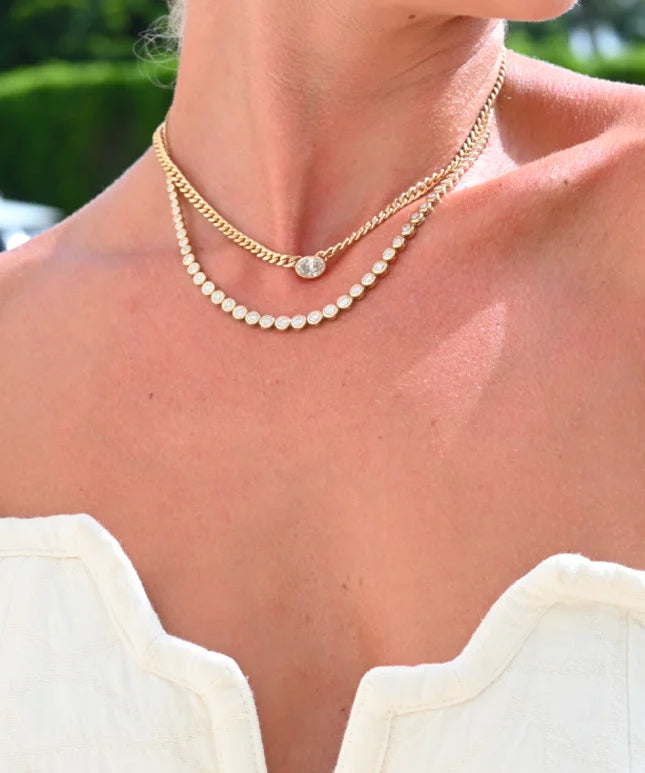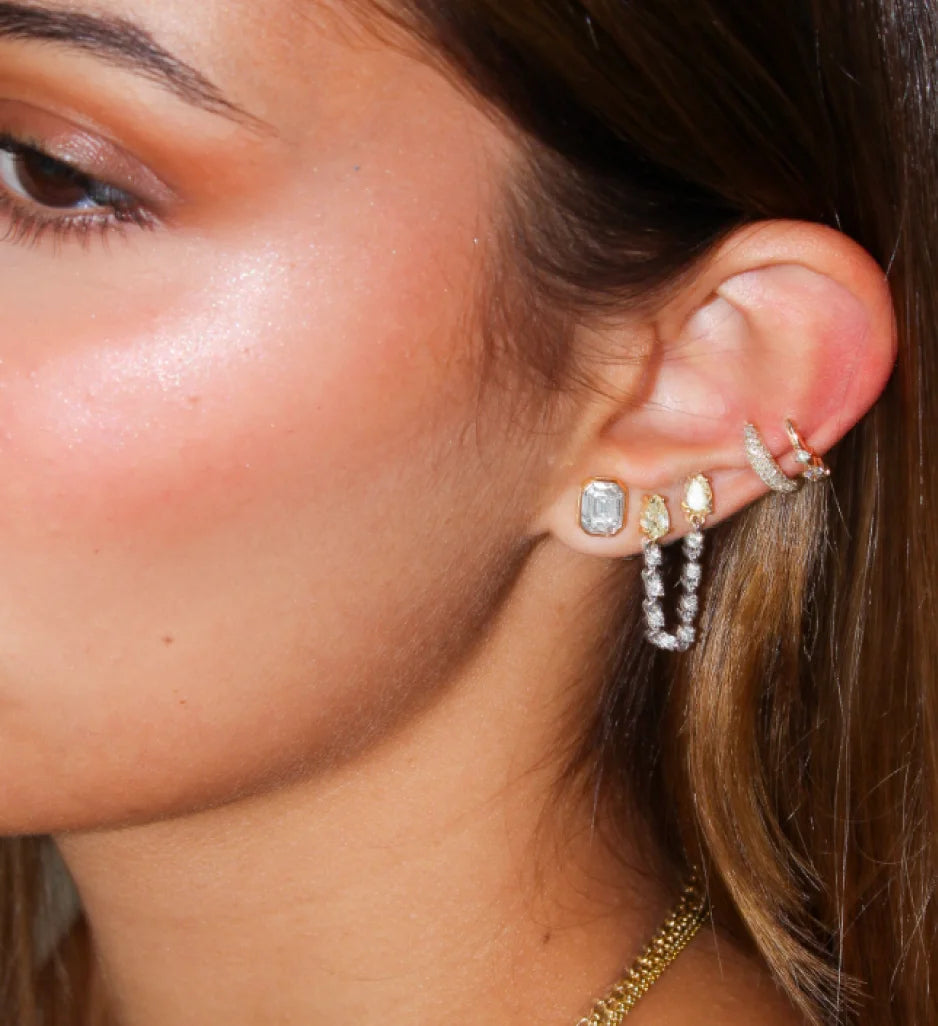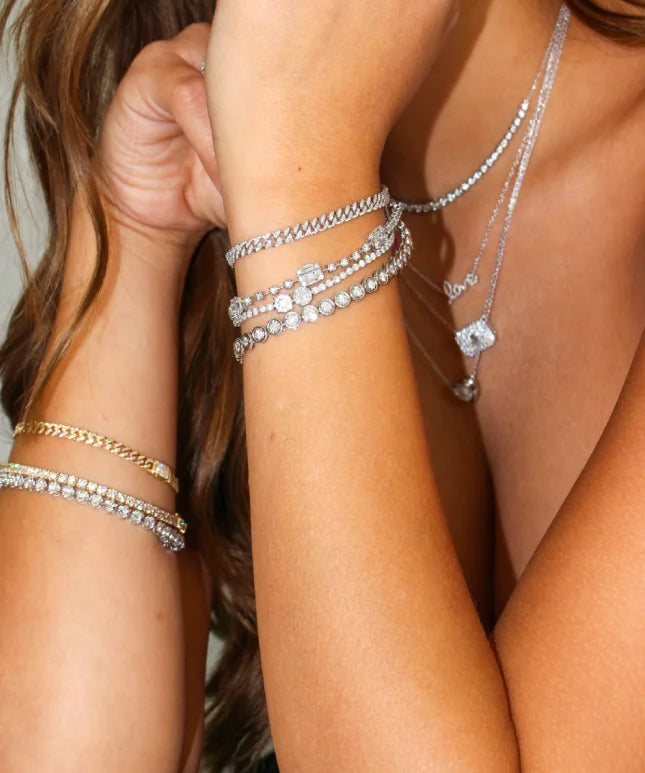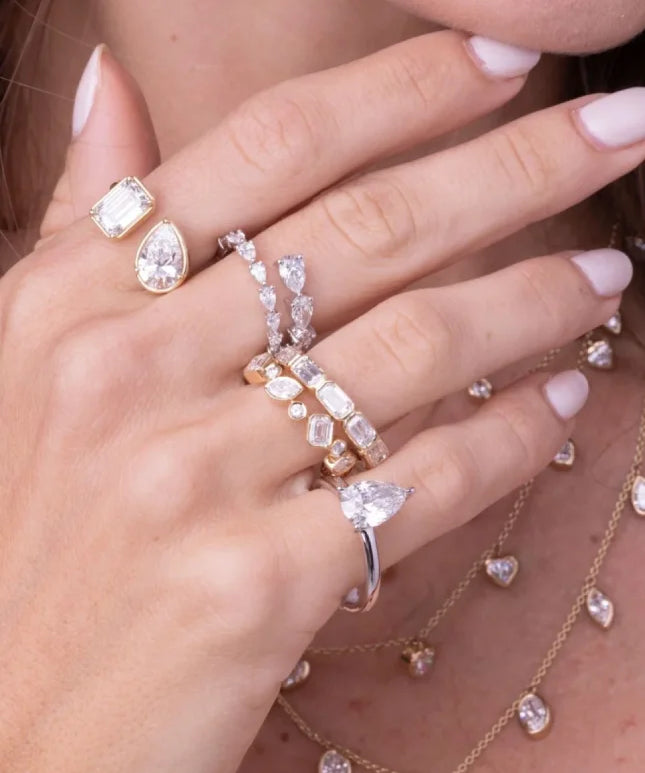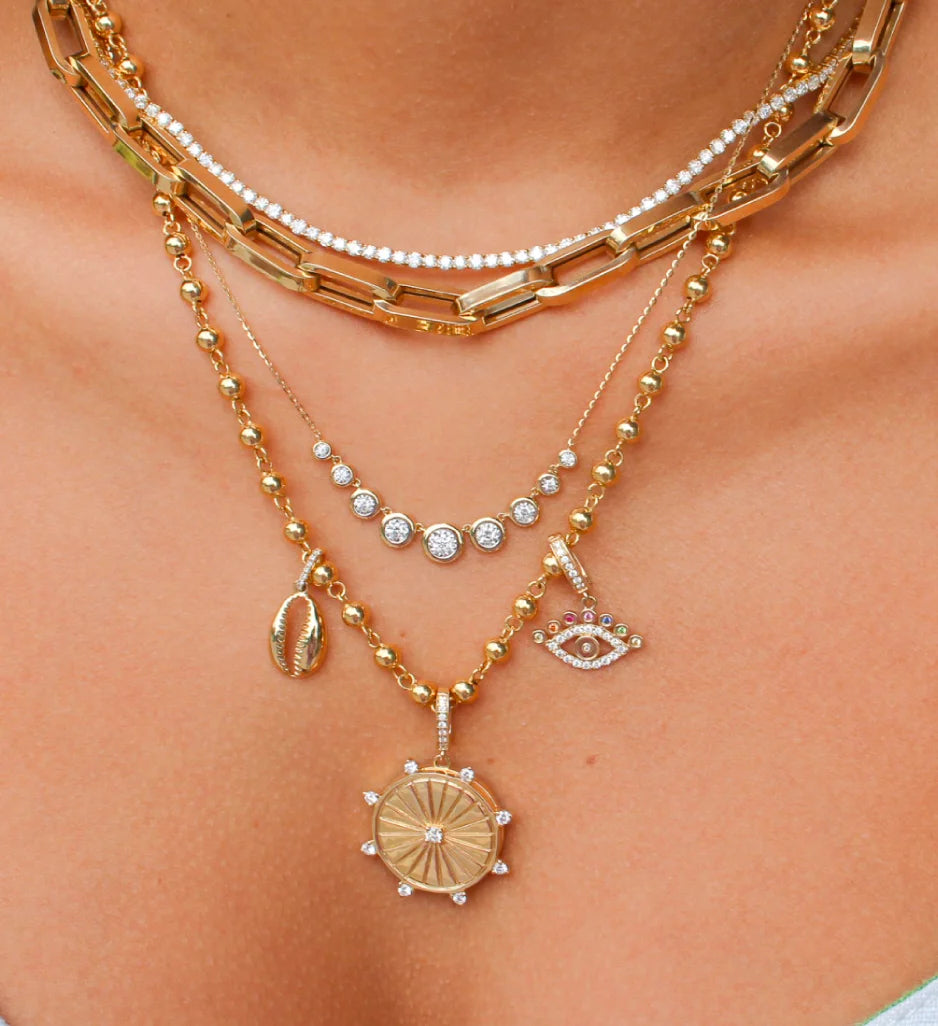


Gold jewelry is one of the most popular choices for everyday wear. Many people choose 14k gold because it offers a good balance between beauty, durability, and price. However, a common question buyers ask is: does 14k gold tarnish?
The short answer is yes, 14k gold can tarnish over time. While it contains real gold, it is not pure gold. The additional metals mixed into 14k gold can react with air, moisture, and other substances, causing discoloration or dullness.
The good news is that tarnishing is usually mild and can often be cleaned easily. Understanding why tarnish happens and how to prevent it can help keep your jewelry looking bright for years.
In this guide, you will learn everything you need to know about 14k gold tarnish, including what causes it, how to remove it, and how to properly care for your jewelry.

What Is 14k Gold?
Before discussing tarnish, it helps to understand what 14k gold actually is.
Pure gold is known as 24k gold. While it has a rich yellow color, it is also very soft. Jewelry made from pure gold can scratch, bend, and wear down more easily.
To make gold stronger and more suitable for everyday use, jewelers mix it with other metals. These may include:
-
Silver
-
Copper
-
Zinc
-
Nickel
-
Palladium
14k gold contains:
-
58.3% pure gold
-
41.7% other metals
This mixture creates a durable metal that can handle daily wear while maintaining the appearance people love.
Does 14k Gold Tarnish Over Time?
Yes, 14k gold can tarnish over time.
The gold portion itself does not tarnish. Gold is naturally resistant to rust and corrosion. However, the other metals mixed into 14k gold can react with environmental elements.
When these metals interact with oxygen, moisture, sweat, chemicals, or pollution, a thin layer of discoloration may form on the surface.
Tarnish often appears as:
-
A darker color
-
A dull finish
-
Slight brown tones
-
Greenish discoloration in some cases
The rate of tarnishing depends on several factors, including how often the jewelry is worn and how it is stored.
Why Does 14k Gold Tarnish?
Many people are surprised when their gold jewelry loses its shine. Several factors can contribute to tarnishing.
Exposure to Moisture
Moisture is one of the biggest causes of tarnish.
Water alone may not immediately damage 14k gold, but repeated exposure can affect the alloy metals over time.
Common sources include:
-
Showers
-
Swimming pools
-
Humid environments
-
Washing dishes
Long-term exposure can accelerate discoloration.
Contact With Sweat
Human sweat contains salt and natural acids.
These substances can react with the metals in 14k gold and gradually cause dullness or tarnish.
People who exercise frequently while wearing jewelry may notice changes sooner.
Household Chemicals
Many household products contain chemicals that can affect gold alloys.
Examples include:
-
Cleaning products
-
Bleach
-
Detergents
-
Disinfectants
Even small amounts of chemical exposure can impact the appearance of jewelry over time.
Beauty Products
Personal care products are another common cause of tarnish.
These include:
-
Perfume
-
Lotion
-
Sunscreen
-
Hair spray
-
Makeup
Applying products before putting on jewelry can help reduce buildup.
Air Pollution
Environmental pollutants can react with metals found in gold alloys.
This is especially true in areas with higher pollution levels. Over time, these reactions may contribute to discoloration.

How Long Does It Take for 14k Gold to Tarnish?
There is no single answer because every situation is different.
Some people wear their 14k gold jewelry daily for years without noticeable tarnish. Others may see slight dullness within months.
Factors that affect tarnishing include:
-
Climate
-
Humidity
-
Skin chemistry
-
Storage conditions
-
Frequency of wear
-
Exposure to chemicals
Jewelry that is cleaned regularly and stored properly typically stays attractive much longer.
Does 14k Yellow Gold Tarnish?
Yes, 14k yellow gold can tarnish.
However, yellow gold often hides minor tarnish better than some other gold colors.
Because of its warm tone, slight discoloration may not be immediately noticeable.
Regular cleaning usually restores its shine quickly.
Does 14k White Gold Tarnish?
14k white gold can also tarnish.
White gold is made by mixing gold with white-colored metals such as nickel or palladium. Most white gold jewelry is also coated with rhodium to create a bright appearance.
Over time:
-
The rhodium layer can wear down
-
The surface may appear dull
-
Slight discoloration may become visible
Many jewelers offer rhodium replating services to restore brightness.
Does 14k Rose Gold Tarnish?
Yes, 14k rose gold can tarnish as well.
Rose gold contains a higher percentage of copper than yellow gold. Copper is one of the metals most likely to react with environmental factors.
Because of this, rose gold may develop slight darkening over time.
Many people appreciate the vintage look that can develop naturally with rose gold jewelry.
Can 14k Gold Turn Green?
In some situations, 14k gold can cause a green discoloration.
This usually happens because of the copper content in the alloy.
The green color may appear:
-
On the jewelry surface
-
On the skin
This does not mean the jewelry is fake.
Factors that may contribute include:
-
High humidity
-
Excessive sweating
-
Skin chemistry
-
Contact with lotions or cosmetics
The discoloration is usually harmless and temporary.
Does 14k Gold Rust?
No, 14k gold does not rust.
Rust occurs when iron reacts with oxygen and moisture.
Gold jewelry does not contain enough iron to rust like steel.
However, the alloy metals may tarnish or discolor, which some people mistakenly describe as rust.
How Can You Tell If 14k Gold Is Tarnished?
Signs of tarnish may include:
-
Reduced shine
-
Dark spots
-
Uneven color
-
Dull appearance
-
Slight green or brown tones
Comparing the jewelry to a recently cleaned piece can help you spot changes more easily.

How to Clean Tarnished 14k Gold Jewelry
Fortunately, cleaning 14k gold is usually simple.
Use Warm Water and Mild Soap
This is one of the safest cleaning methods.
Steps:
-
Fill a bowl with warm water.
-
Add a few drops of mild dish soap.
-
Soak the jewelry for about 15 minutes.
-
Gently scrub with a soft toothbrush.
-
Rinse with clean water.
-
Dry with a soft cloth.
This method removes dirt, oils, and light tarnish.
Use a Jewelry Cleaning Cloth
Special jewelry polishing cloths are designed to restore shine safely.
These cloths can remove surface buildup without damaging the metal.
Visit a Professional Jeweler
For heavy tarnish or valuable pieces, professional cleaning may be the best option.
Jewelers have specialized tools and solutions that can restore the appearance of gold jewelry effectively.
What Should You Avoid When Cleaning 14k Gold?
Some cleaning methods can damage jewelry.
Avoid:
-
Bleach
-
Chlorine
-
Abrasive cleaners
-
Rough brushes
-
Toothpaste
-
Baking soda scrubs on delicate pieces
These products can scratch the surface or damage gemstones.
How to Prevent 14k Gold From Tarnishing
Preventive care is often easier than cleaning.
Remove Jewelry Before Swimming
Swimming pools contain chlorine, which can affect gold alloys. Saltwater can also contribute to wear and discoloration.
Taking jewelry off before swimming helps protect it.
Take Jewelry Off Before Exercising
Sweat can speed up tarnish formation. Removing rings, necklaces, and bracelets before workouts can reduce exposure.
Store Jewelry Properly
Proper storage makes a significant difference.
Keep jewelry:
-
In a dry place
-
In a jewelry box
-
In a soft pouch
-
Away from direct sunlight
Separate storage can also help prevent scratches.
Apply Beauty Products First
A simple rule is:
Beauty products first, jewelry second. Allow lotions, perfumes, and sprays to dry before putting on jewelry.
Clean Jewelry Regularly
Routine cleaning removes oils and residue before they build up. Even a quick wipe with a soft cloth can help maintain shine.
Is 14k Gold Better Than 18k Gold for Everyday Wear?
Many buyers compare 14k and 18k gold.
14k gold contains more alloy metals, making it stronger and more resistant to scratches.
18k gold contains more pure gold and has a richer color, but it is generally softer.
For everyday jewelry such as:
Many people choose 14k gold because of its durability.
Does 14k Gold Tarnish Faster Than 24k Gold?
Yes. 24k gold is nearly pure gold and is highly resistant to tarnish.
Because 14k gold contains additional metals, it has a greater chance of developing discoloration over time.
However, the tradeoff is improved strength and durability.
Is Tarnished 14k Gold Fake?
No. Tarnish does not automatically mean gold is fake.
Real 14k gold can tarnish because of the alloy metals mixed with the gold. Many authentic gold pieces show some degree of tarnish after years of wear.
If you are unsure whether jewelry is genuine, a professional jeweler can test it.

Can You Wear 14k Gold Every Day?
Yes. One reason 14k gold is so popular is that it is designed for everyday use.
Many people wear 14k gold jewelry daily for years without major problems. Regular maintenance and proper storage help keep it looking its best.
Is 14k Gold Worth Buying?
For many buyers, 14k gold offers an excellent combination of value and durability.
Benefits include:
-
Real gold content
-
Good resistance to wear
-
Affordable compared to higher karat gold
-
Suitable for daily use
-
Available in multiple colors
While it can tarnish under certain conditions, proper care makes it easy to maintain.
Common Myths About 14k Gold Tarnish
Myth: Gold Never Tarnishes
Pure gold resists tarnish, but 14k gold contains other metals that can tarnish.
Myth: Tarnish Means the Jewelry Is Fake
Even genuine 14k gold can develop tarnish.
Myth: Tarnish Permanently Ruins Jewelry
Most tarnish can be removed through proper cleaning.
Myth: Water Immediately Damages 14k Gold
Occasional contact with water is generally not a problem. Repeated exposure combined with chemicals and moisture is what usually contributes to tarnish.
Frequently Asked Questions About 14k Gold
Does 14k gold lose value over time?
14k gold generally retains value because it contains real gold. However, resale value depends on factors such as gold market prices, jewelry condition, brand, and craftsmanship.
Can 14k gold trigger metal allergies?
Yes, some people may experience skin irritation from the alloy metals used in 14k gold, especially nickel. Choosing nickel-free 14k gold can help reduce the risk.
Is 14k gold safe to wear in the shower every day?
While occasional exposure to water is usually fine, wearing 14k gold in the shower every day may lead to faster buildup of soap residue and exposure to chemicals that can dull its shine.
Does hand sanitizer affect 14k gold jewelry?
Frequent use of hand sanitizer can leave residue on jewelry and may affect the alloy metals over time. It is best to allow sanitizer to dry completely before touching your jewelry.
Can 14k gold be resized by a jeweler?
Yes, most 14k gold rings can be resized by a professional jeweler. The ease of resizing depends on the ring design and whether gemstones are present.
Is 14k gold a good choice for engagement rings?
Yes, 14k gold is one of the most popular choices for engagement rings because it offers durability, affordability, and a beautiful appearance suitable for daily wear.
Can 14k gold scratch easily?
14k gold can scratch with regular use, but it is generally more scratch-resistant than higher-karat gold because of its stronger alloy composition.
Does 14k gold change color as it ages?
Over many years, 14k gold may develop a slightly different appearance due to normal wear, surface scratches, and oxidation of alloy metals, but proper maintenance helps preserve its original look.
How can I tell if my jewelry is solid 14k gold or gold-filled?
Check for stamps such as "14K" or "585." Gold-filled jewelry may include markings like "14K GF." A jeweler can perform tests to confirm the gold content.
Is vintage 14k gold more likely to tarnish?
Older 14k gold jewelry may show more tarnish simply because it has been exposed to environmental factors for a longer period. However, proper cleaning and restoration can often bring back its shine.
Conclusion
Yes, 14k gold can tarnish because it contains metals other than pure gold. These metals may react with moisture, sweat, chemicals, and environmental factors over time. The good news is that tarnish is usually mild and can often be cleaned easily.
With proper care, regular cleaning, and good storage habits, 14k gold jewelry can maintain its beauty for many years. Its combination of durability, affordability, and genuine gold content makes it one of the most popular choices for everyday jewelry.
If you want jewelry that balances long-lasting performance with classic style, 14k gold remains an excellent option.