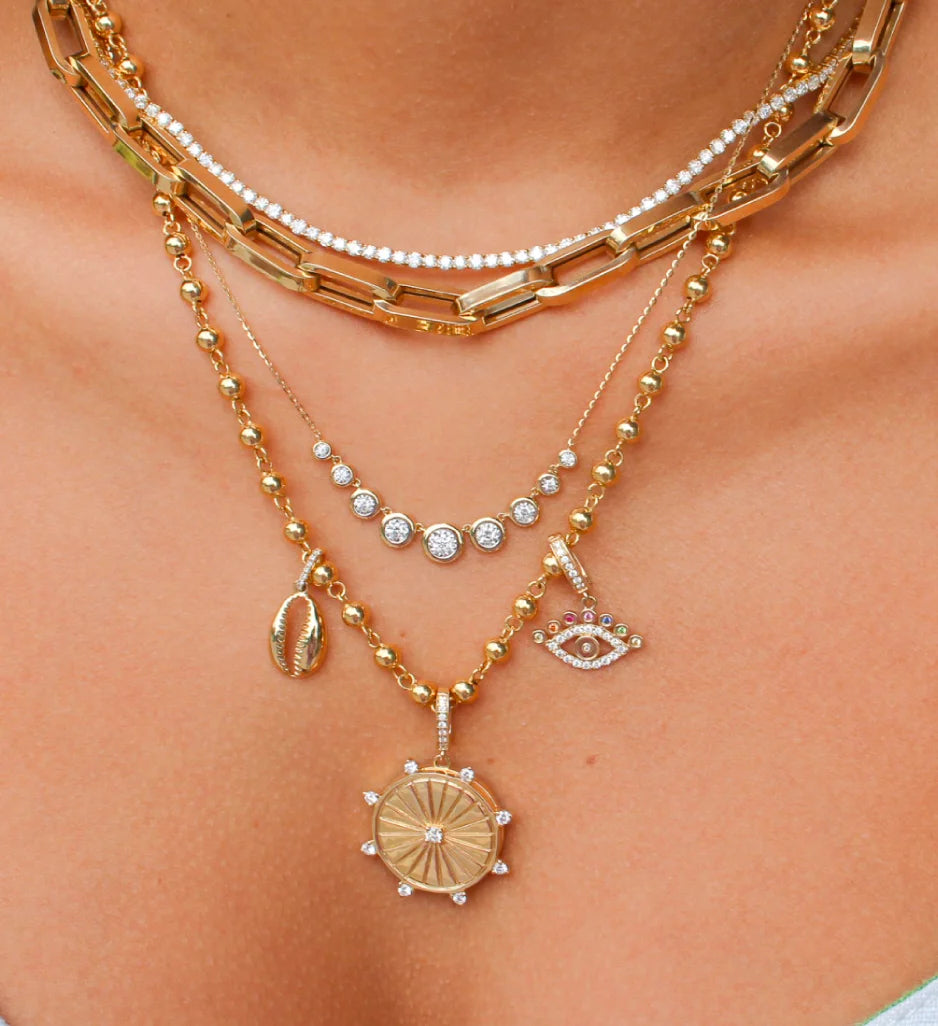


When shopping for gold jewelry, one of the most common questions is whether to choose 10K or 14K gold. At first glance, they may look similar, but there are important differences that affect durability, appearance, price, and overall value.
This guide breaks everything down in a simple and practical way so you can confidently decide which option suits your needs best.
What Does “K” Mean in Gold?
The “K” in gold stands for karat, which measures how much pure gold is present in a piece of jewelry.
-
24K gold = 100% pure gold
-
14K gold = 58.3% gold + 41.7% other metals
-
10K gold = 41.7% gold + 58.3% other metals
Because pure gold is soft, it is mixed with metals like copper, silver, nickel, or zinc to make it stronger and more suitable for everyday wear.
Why Gold Is Mixed With Other Metals
Pure gold is naturally soft and can bend or scratch easily. To make it durable enough for jewelry, it is alloyed with stronger metals.
This affects:
-
Strength and durability
-
Color (yellow, white, or rose tones)
-
Resistance to wear and tear
The lower the karat, the more alloy metals are used, which increases strength but reduces gold purity.
Key Differences Between 10K and 14K Gold
Here is a simple comparison to help you quickly understand the differences:
|
Feature |
10K Gold |
14K Gold |
|
Gold Content |
41.7% |
58.3% |
|
Durability |
Very high (more scratch resistant) |
High (slightly softer) |
|
Color |
Lighter, less rich gold tone |
Warmer, richer gold color |
|
Price |
More affordable |
More expensive |
|
Tarnish Resistance |
Better resistance |
Slightly less resistant |
|
Skin Sensitivity |
More likely to cause irritation |
Less likely to irritate skin |
|
Value |
Lower gold value |
Higher gold value |
Appearance: Which Looks Better?
One of the biggest differences people notice is the color.
10K Gold Appearance
-
Paler yellow tone
-
Less “classic gold” look
-
Slightly dull compared to higher karat gold
14K Gold Appearance
-
Rich, warm gold color
-
Closer to the traditional gold look
-
More visually appealing for most people
If appearance matters to you, 14K gold is usually preferred because it looks more luxurious.
Durability: Which Lasts Longer?
Durability is where 10K gold stands out.
10K Gold
-
Contains more alloy metals
-
Harder and more resistant to scratches
-
Ideal for rough, daily use
14K Gold
-
Slightly softer due to higher gold content
-
Still durable enough for everyday wear
-
May scratch a bit more over time
If you have an active lifestyle or want something extremely tough, 10K gold may be the better option.
Price: Which Is More Affordable?
Price is a major deciding factor.
10K Gold
-
Lower gold content = lower cost
-
Budget-friendly
-
Great for larger pieces at a lower price
14K Gold
-
Higher gold content = higher cost
-
More valuable
-
Seen as a better long-term investment
If you are trying to balance quality and cost, 14K gold often hits the “sweet spot.”
Skin Sensitivity and Allergies
Some people experience skin irritation depending on the metals mixed with gold.
10K Gold
-
Contains more alloy metals
-
Higher chance of irritation (especially with nickel)
14K Gold
-
Higher gold content
-
Generally safer for sensitive skin
If you have sensitive skin, 14K gold is usually the safer choice.
Tarnish and Maintenance
Gold itself does not tarnish, but the alloy metals can.
10K Gold
-
More resistant to tarnish due to higher alloy strength
-
Requires less frequent cleaning
14K Gold
-
Slightly more prone to tarnish over time
-
Needs occasional cleaning to maintain shine
Both are relatively low-maintenance compared to other metals.
Best Uses for 10K Gold
10K gold is a practical choice for:
-
Everyday jewelry
-
Rings worn during physical activities
-
Budget-friendly purchases
-
Pieces exposed to wear and tear
It is ideal if durability is your top priority.
Best Uses for 14K Gold
14K gold is commonly chosen for:
-
Engagement rings and wedding bands
-
Fine jewelry
-
Pieces where appearance matters
It offers a balance between durability and beauty.
Value and Resale Considerations
Gold jewelry can hold value, but purity plays a role.
10K Gold
-
Lower resale value
-
Less gold content
14K Gold
-
Higher resale value
-
More gold content
If long-term value matters, 14K gold is the better option.
Color Variations (Yellow, White, and Rose)
Both 10K and 14K gold come in different colors:
-
Yellow gold: Classic and warm
-
White gold: Modern and sleek
-
Rose gold: Pinkish tone from copper
Higher karat gold (like 14K) typically shows richer color in all variations.
Which One Should You Choose?
The right choice depends on your priorities:
Choose 10K Gold if you want:
-
Maximum durability
-
Lower cost
-
Jewelry for heavy daily use
Choose 14K Gold if you want:
-
Better color and appearance
-
Higher gold content
-
A balance of durability and value
Common Misconceptions
“Higher karat always means better”
Not always. While 14K has more gold, 10K is stronger and may be better for certain uses.
“10K gold is not real gold”
This is false. 10K gold is genuine gold, just with a lower percentage.
“14K gold is too soft”
It is still very durable and widely used for everyday jewelry.
Frequently Asked Questions About 10K & 14K Gold
1. Can 10K or 14K gold fade over time?
No, gold itself does not fade, but the shine can dull due to dirt, oils, and scratches. Regular cleaning restores its appearance.
2. Which is better for engagement rings, 10K or 14K?
14K gold is more commonly chosen because it has a richer color and a more premium feel while still being durable.
3. Does 10K or 14K gold turn your skin green?
It can happen in some cases, especially with 10K gold, due to higher alloy content reacting with sweat or skin chemistry.
4. Can you wear 10K or 14K gold every day?
Yes, both are suitable for daily wear, but 10K gold is slightly more resistant to scratches.
5. How can you tell if gold is 10K or 14K?
Check for stamps like “10K” or “14K” on the jewelry, or get it tested by a professional jeweler.
6. Which gold is heavier, 10K or 14K?
14K gold is slightly heavier because it contains more pure gold, which is denser than alloy metals.
7. Is 14K gold worth the extra cost over 10K?
For many buyers, yes, because of its better color, higher gold content, and greater resale value.
8. Can 10K or 14K gold be resized easily?
Yes, both can be resized by a professional jeweler, though 14K is slightly easier to work with.
9. Which holds gemstones better, 10K or 14K?
10K gold is harder, so it can hold stones securely, but 14K is still widely used and reliable for most jewelry.
10. Does either type of gold require special storage?
Not really, but it’s best to store gold jewelry separately in a soft pouch or box to avoid scratches.
Conclusion
Choosing between 10K and 14K gold comes down to what matters most to you.
If you prioritize strength and affordability, 10K gold is a reliable option. If you prefer richer color, higher gold content, and better long-term value, 14K gold is the better choice.
Both options are widely used and trusted, so you can feel confident selecting the one that fits your lifestyle, budget, and personal style.