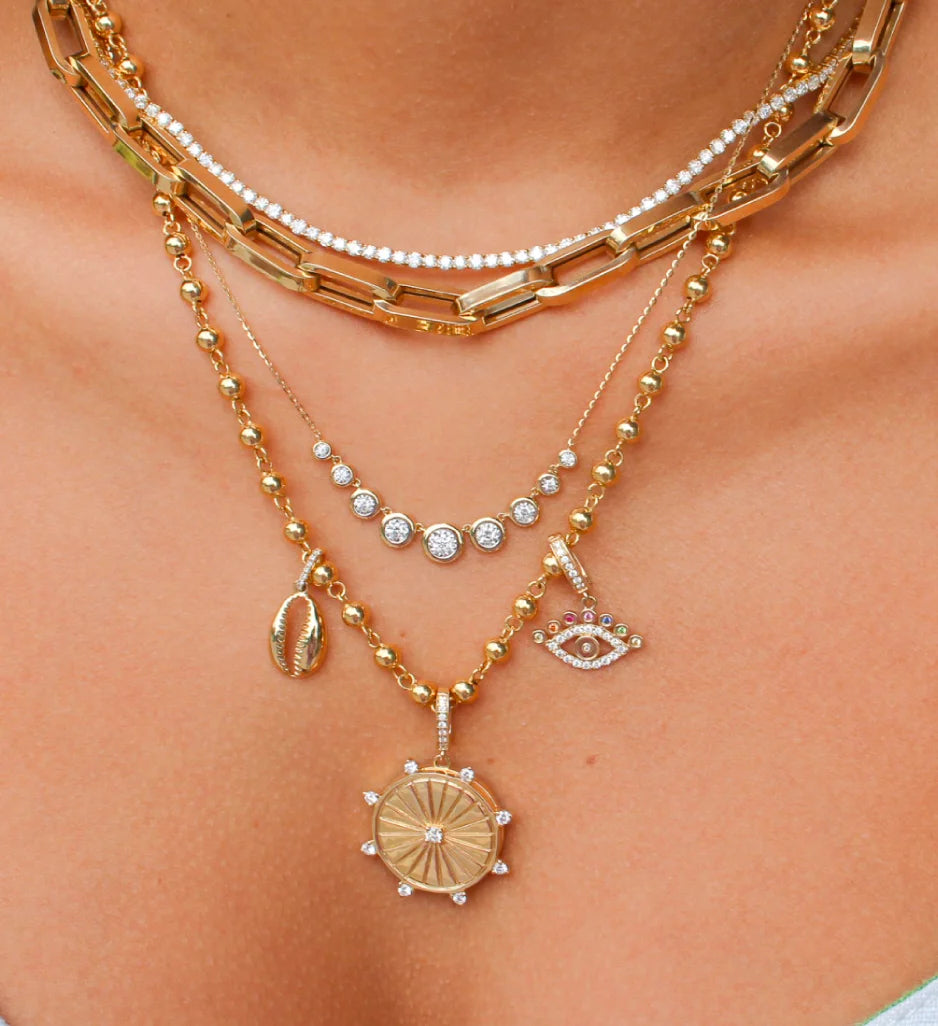


Birthstones have been part of human culture for centuries, symbolizing identity, meaning, and personal connection. Each month is associated with a specific gemstone, believed to bring luck, strength, and unique energy to those born during that time. If you are born in April or simply interested in gemstones, you might be curious about which stone represents this month.
The answer is the diamond, one of the most admired and valuable gemstones in the world. Known for its brilliance, strength, and timeless appeal, the diamond has become a universal symbol of love, clarity, and resilience.
In this detailed guide, you will learn everything about April’s birthstone, including its history, meaning, formation, types, uses, and why it continues to hold such a special place in both tradition and modern life.

The April Birthstone: Diamond
The official birthstone for April is the diamond. It is celebrated for its unmatched sparkle and exceptional hardness. Diamonds are formed deep beneath the Earth’s surface under intense heat and pressure over billions of years.
This natural process gives diamonds their incredible strength and unique ability to reflect light. Because of these qualities, diamonds are widely used in fine jewelry and are often associated with luxury and elegance.
The Meaning and Symbolism of Diamonds
Diamonds carry deep symbolic meaning that has evolved over time but remains powerful even today.
Common meanings associated with diamonds:
-
Strength and endurance
-
Eternal love and commitment
-
Purity and clarity
-
Inner power and confidence
These meanings make diamonds a popular choice for important life events such as engagements, weddings, and anniversaries. The idea of a diamond representing everlasting love is especially strong in modern culture.
The Historical Journey of Diamonds
Diamonds have a long and fascinating history that spans thousands of years.
They were first discovered in ancient India, where they were valued not only for their beauty but also for their believed protective properties. Early civilizations thought diamonds could ward off evil and bring strength to warriors.
During the Middle Ages, diamonds became symbols of courage and were worn by royalty. As trade routes expanded, diamonds reached Europe, where they became highly sought after by nobles and elites.
In the modern era, diamonds gained global popularity, especially with the rise of diamond engagement rings. Today, they are one of the most recognized gemstones worldwide.
How Diamonds Are Formed
Diamonds are created through a natural process that takes place deep within the Earth.
The formation process includes:
-
Carbon being exposed to extreme heat and pressure
-
Conditions found about 100 to 150 kilometers below the surface
-
Formation over billions of years
Eventually, volcanic activity brings diamonds closer to the Earth’s surface, where they can be mined.
This long and intense process is what makes diamonds so rare and valuable.
Physical and Chemical Properties of Diamonds
Diamonds are unique among gemstones because of their exceptional physical characteristics.
Key properties:
-
Hardness: Diamonds are the hardest natural material, rated 10 on the Mohs scale
-
Composition: Made entirely of carbon
-
Brilliance: Reflects and refracts light beautifully
-
Durability: Resistant to scratches
These qualities make diamonds ideal for everyday jewelry as well as industrial uses.

The Different Types of Diamonds
Not all diamonds are the same. They come in various types based on color, origin, and formation.
1. Colorless Diamonds
These are the most traditional and widely used diamonds.
-
Known for their clear, sparkling appearance
-
Often used in engagement rings
-
Highly valued for their purity
2. Fancy Colored Diamonds
These diamonds occur naturally in different colors.
-
Yellow, pink, blue, and green are common shades
-
Rare and often more expensive
-
Unique and eye-catching
3. Lab Grown Diamonds
These are created in laboratories using advanced technology.
-
Identical in structure to natural diamonds
-
More affordable
-
Considered a sustainable option
4. Industrial Diamonds
Used for cutting, drilling, and polishing due to their hardness.
-
Not typically used in jewelry
-
Important for various industries
Understanding the 4 Cs of Diamonds
When evaluating diamonds, four key factors are used to determine their quality.
Cut
The cut determines how well the diamond reflects light. A well-cut diamond appears more brilliant and sparkly.
Color
Diamonds are graded based on how colorless they are. The less color, the higher the value.
Clarity
This refers to the presence of internal or external imperfections. Fewer imperfections mean higher clarity.
Carat
Carat measures the weight of the diamond. Larger diamonds are generally more valuable.
Understanding these factors helps buyers choose the right diamond based on their preferences and budget.
Why Diamond Is the Birthstone for April
The diamond perfectly represents the qualities associated with April.
April is often linked with renewal, strength, and clarity as it marks the transition into spring. The diamond reflects these traits through its clear appearance and strong structure.
Its durability symbolizes resilience, while its brilliance represents fresh beginnings and light.

Diamond Jewelry and Its Popularity
Diamonds are one of the most popular choices for jewelry.
Common diamond jewelry includes:
-
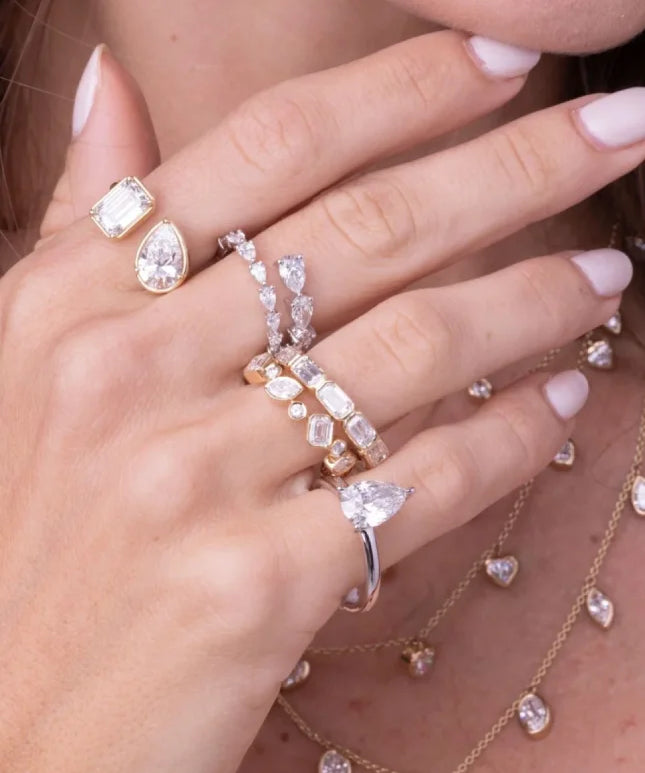
Engagement rings
-
Wedding bands
-
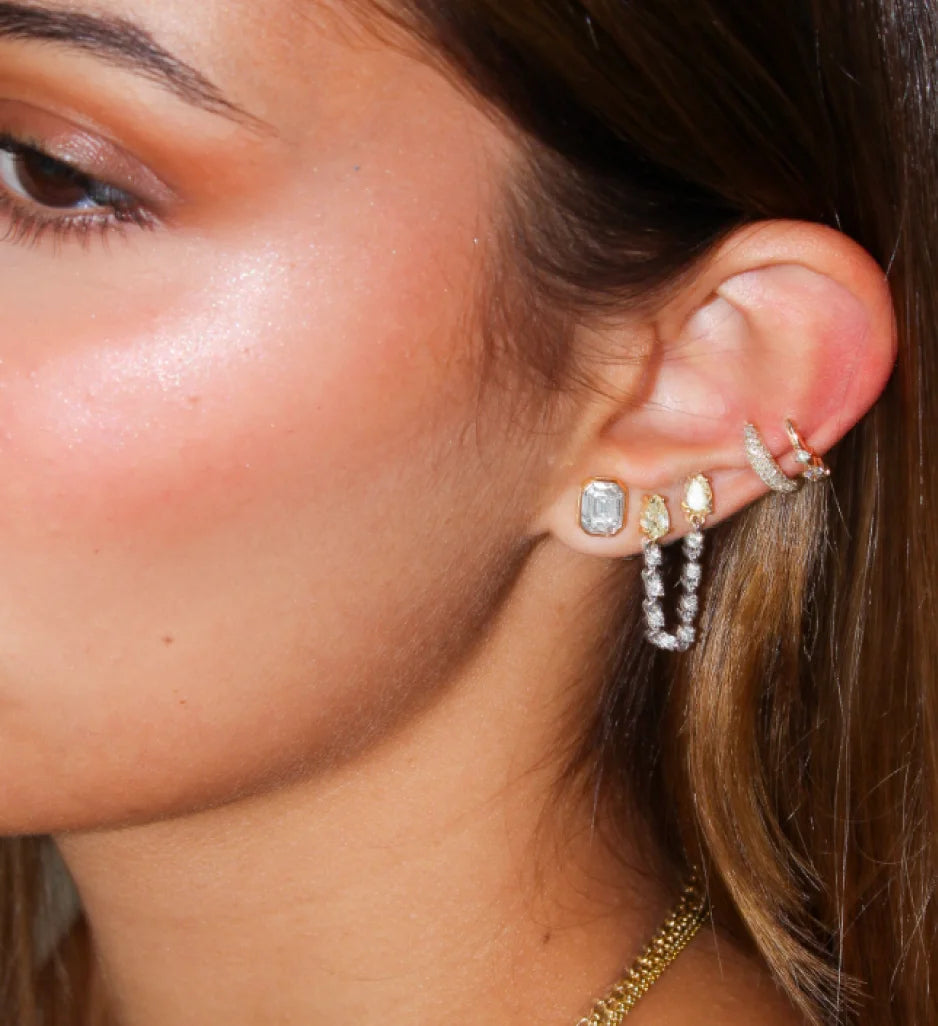
Earrings
-
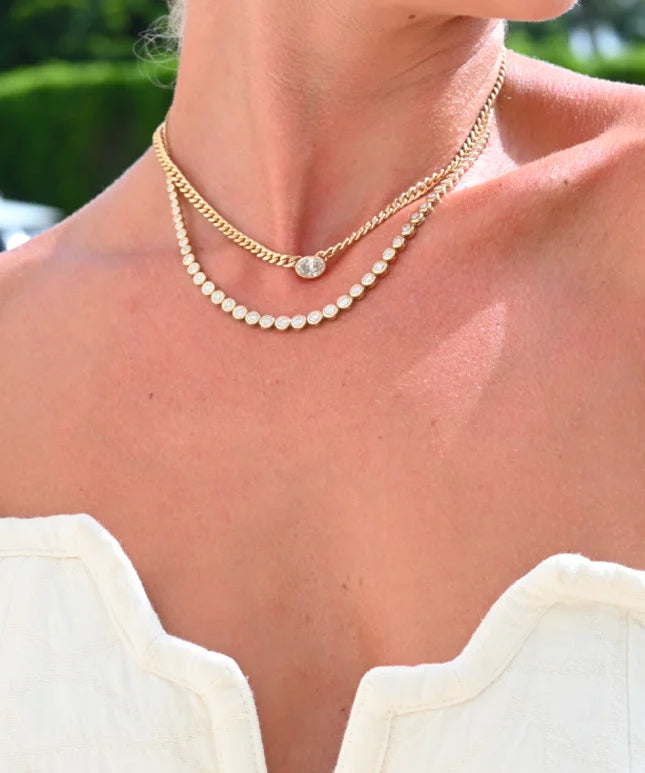
Necklaces
-
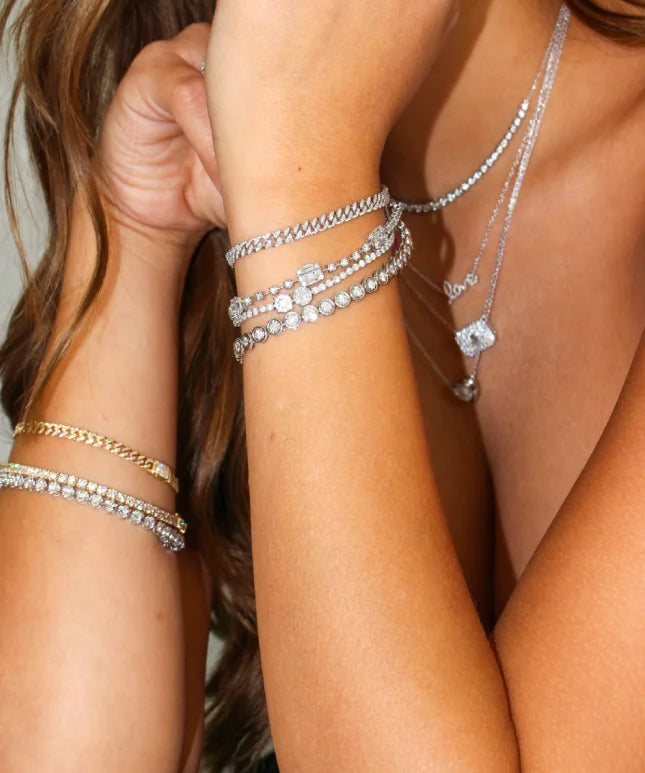
Bracelets
Their versatility allows them to be worn for both everyday use and special occasions.
Caring for Diamond Jewelry
Even though diamonds are extremely durable, they still require proper care.
Care tips:
-
Clean with mild soap and warm water
-
Use a soft brush to remove dirt
-
Avoid exposure to harsh chemicals
-
Store separately to prevent scratching other jewelry
Regular cleaning helps maintain their sparkle and shine.
Alternative Stones for April
While diamonds are the official birthstone, some people prefer alternatives for various reasons.
Popular alternatives include:
-
White sapphire
-
Moissanite
-
Clear quartz
These stones offer a similar appearance at a lower cost, making them attractive options for those on a budget.
Diamonds in Modern Times
Diamonds continue to hold strong cultural and emotional significance today.
They are often associated with:
-
Love and commitment
-
Luxury and status
-
Milestones and celebrations
From engagement rings to fashion accessories, diamonds remain a symbol of elegance and value.
Ethical and Sustainable Diamonds
In recent years, there has been growing awareness about ethical sourcing.
Consumers are now more interested in:
-
Conflict free diamonds
-
Environmentally responsible mining
-
Lab grown alternatives
This shift reflects a desire for more responsible and transparent practices in the gemstone industry.
Interesting Facts About Diamonds
-
Diamonds are billions of years old
-
They are formed from carbon under extreme conditions
-
Some diamonds originate from meteorites
-
The largest diamond ever discovered weighed over 3,000 carats
These facts highlight how rare and fascinating diamonds truly are.

Why Diamonds Remain Timeless
Diamonds have remained popular for centuries and continue to be highly valued.
Reasons include:
-
Exceptional durability
-
Timeless beauty
-
Deep symbolic meaning
-
Versatility in design
They are not just gemstones but lasting symbols of important moments in life.
FAQs About April Birthstone (Diamond)
1. Can diamonds be worn with other gemstones in jewelry?
Yes, diamonds pair very well with other gemstones like sapphires, rubies, and emeralds. They enhance the overall look and add extra brilliance to mixed gemstone jewelry.
2. Are diamonds suitable for all types of jewelry settings?
Diamonds are very versatile and can be used in almost any setting, including prong, bezel, halo, and pave settings. Their hardness makes them ideal for both delicate and bold designs.
3. Do diamonds lose their sparkle over time?
Diamonds do not lose their natural sparkle, but they can appear dull due to dirt, oil, or residue buildup. Regular cleaning restores their shine.
4. Can diamonds change color over time?
Natural diamonds generally do not change color. However, exposure to chemicals or coatings on treated diamonds may affect their appearance.
5. Are diamonds a good investment?
Diamonds can hold value, but they are not always the best short term investment. Their worth depends on quality, rarity, and market demand.
6. What is the difference between raw and polished diamonds?
Raw diamonds are uncut and have a rough appearance, while polished diamonds are cut and shaped to enhance their brilliance and sparkle.
7. Can diamonds be passed down as heirlooms?
Yes, diamonds are very durable and long lasting, making them perfect for family heirlooms that can be passed through generations.
8. Are there synthetic stones that look like diamonds?
Yes, stones like cubic zirconia and moissanite can look similar to diamonds, but they differ in composition, durability, and brilliance.
9. How are diamonds certified?
Diamonds are graded and certified by gemological laboratories based on factors like cut, color, clarity, and carat weight.
10. Can diamonds be customized into unique jewelry designs?
Yes, diamonds can be cut into various shapes and set into custom designs, allowing for personalized jewelry that reflects individual style.
Conclusion
The diamond is a perfect representation of April. Its strength, brilliance, and elegance make it one of the most meaningful and cherished gemstones in the world.
Whether you choose to wear it as jewelry, gift it to someone special, or simply admire its beauty, the diamond carries a legacy that goes far beyond its appearance.
For those born in April, this gemstone is not just a birthstone. It is a symbol of resilience, clarity, and lasting value that can be treasured for a lifetime.